
Reduce labour intensive cleaning and increase production

Generally large transportation workshops service all makes of Trucks, Vans, Coaches, Buses and Trailers. The size of the workshop is substantially bigger than a standard workshop and may include several bays to carry out repairs and services. Turbowash has supplied this industry with parts cleaning equipment and services for many years. Recently, we have worked […]
Contamination Control

The importance of contamination control in an engine room disassembly cannot be underestimated to prevent warranty comeback. How engine parts are cleaned in the Marine, Transportation and Mining Industries is critical to avoiding costly expenses should an engine be contaminated with particles of dirt or grease. There are a number of variables that specialist […]
Solutions for Unproductive Practices
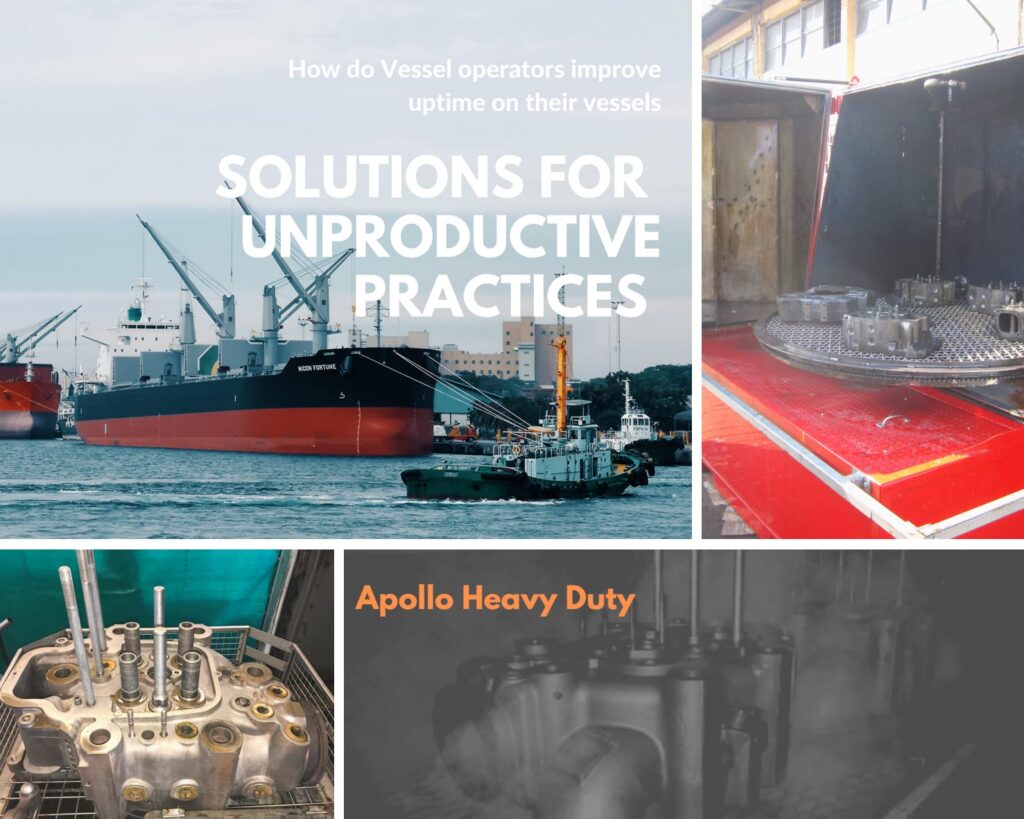
The sea connects every continent in the world. Around 90% of the world trade is carried by ship. It is critical that Marine operators are efficient and effective to survive the challenges they face. Unproductive practices can be very costly. Unplanned downtime and engine failure are not only costly for the company, they can be […]
Why Control Downtime
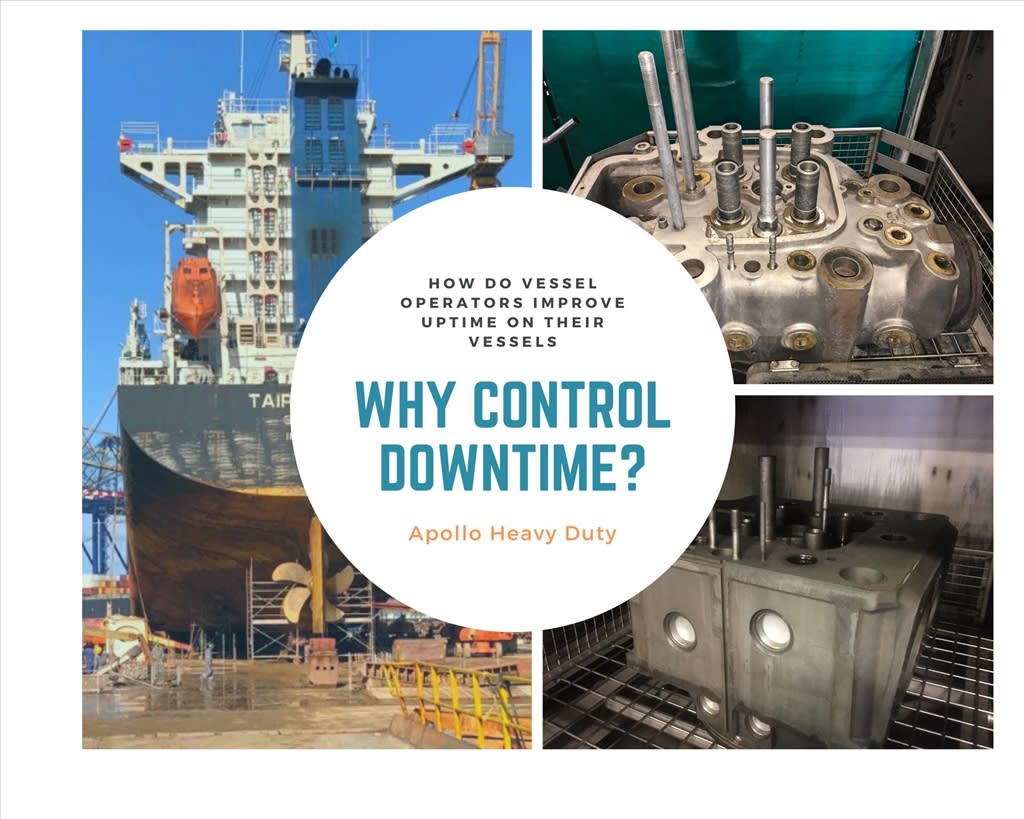
In the marine industry it is critical that downtime is controlled, as uncontrolled or unplanned downtime is timely and costly and can drastically increase overall operating expenses. While some unplanned downtime is unavoidable it can be greatly reduced and prevented by predicting and analysing the future trend of the vessel. Many companies in the […]
What builds up on the outside of a ship
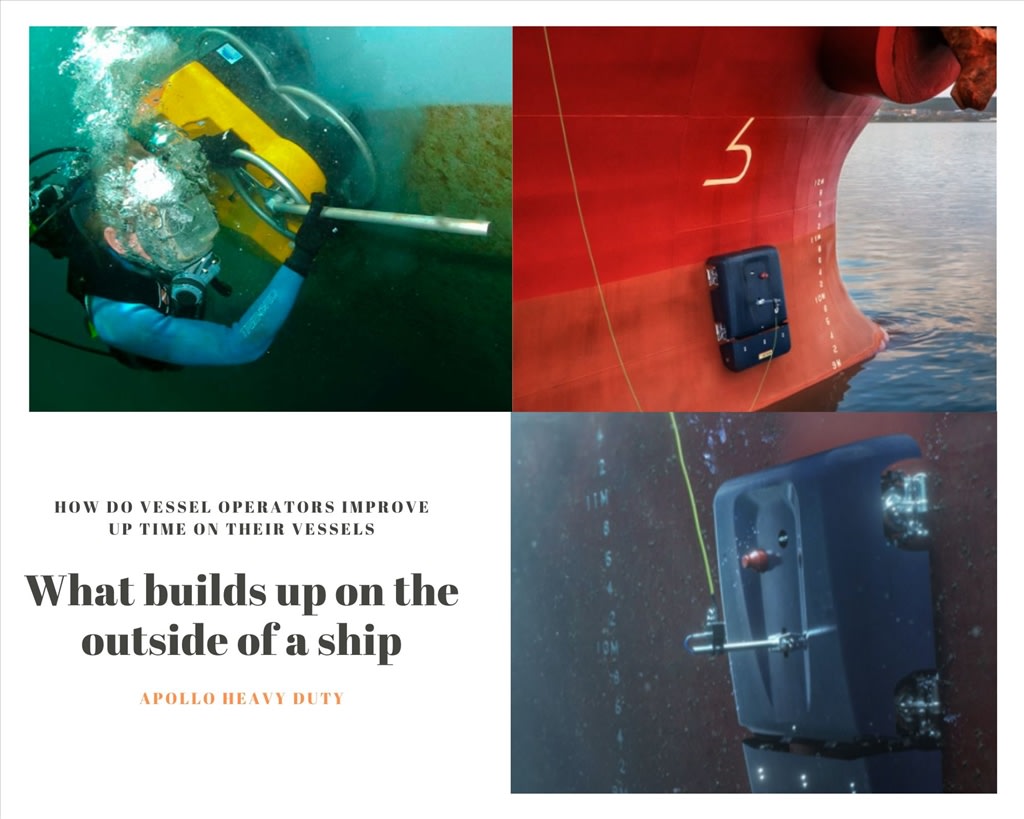
Are robotics the future of ship hull cleaning? As ships travel the seas, an assortment of barnacles, mussels, algae and marine fouling accumulate on their hulls. Having a rough living coating on the hull keeps the ship from smoothly cutting through the water. This means that their engines have to work harder, thus using […]
Calmac Example

CalMac is the UK’s largest ferry operator, running 29 routes to over 50 destinations, across 200 miles of Scotland’s west coast. The fleet of 33 vessels complete approximately 136,000 sailings a year with crossings ranging from 5 minutes to 7 hours. They perform regular maintenance and repairs in order to maximise their vessels efficiency and therefore maximise their […]
Financial gains of having an automated parts cleaning system
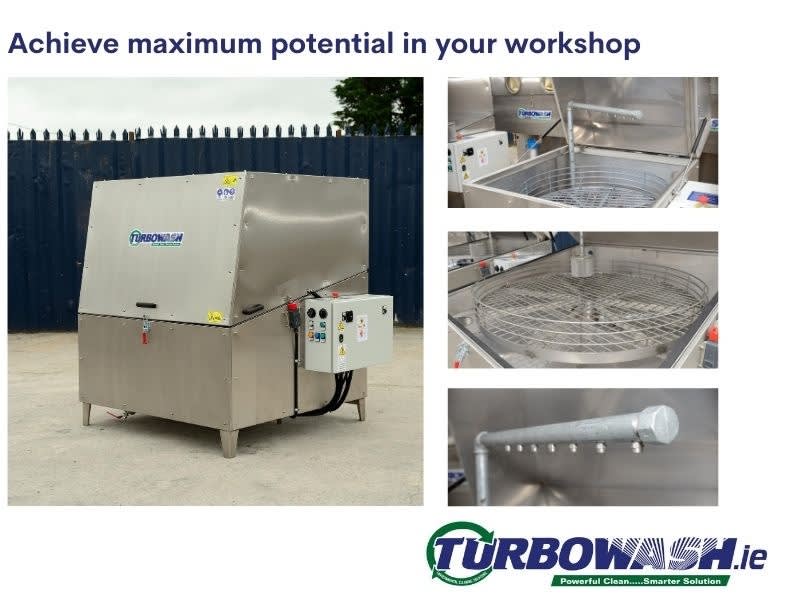
Have you ever stopped to consider how much of your mechanics time is spent hand cleaning parts every day? We recently worked with a customer based in Dublin to automate their cleaning processes. The company had 3 mechanics working in their workshop and they estimated that each mechanic spent on average 2 hours per […]
Why do commercial vessel engines require maintenance and rebuild?

Aside from having to meet particular standards in order to maintain a commercial operating licence there are many important reasons for regular maintenance and rebuild of vessel engines. I have touched on a few below. The goal of performing regular maintenance and repairing parts before failure is to maximise an engines efficiency and therefore maximise […]
Contamination Control Standards
A customer gave us a walk around last week to show us a typical workday in their workshop. Here they are swapping out a 3516 engine in a Cat 793C dump truck. There is a small Apollo Superwash SW1100 in the back left which is used for general parts cleaning, their specialised cleaning area consists […]
Inefficient Processes

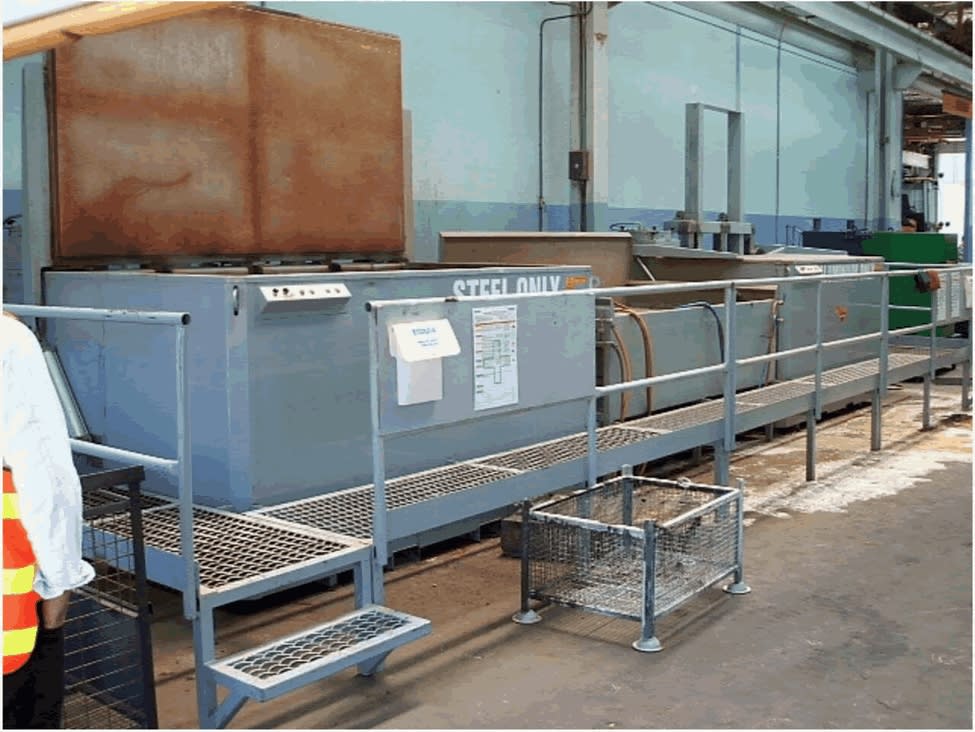
We’ve recently started working with a large transport, construction and mining engine rebuilder. Back in early summer they contacted us regarding cleaning ferrous components within their engine overhaul workshop. Their main issue was that they had an inefficient processes in place which produced continuous backlogs of components waiting to be cleaned, slowing down their production […]